
Homeowner guide · Updated November 2026
QLD smoke alarm laws 2027: what your home needs before 1 January.
Under the QLD smoke alarm laws, every Queensland home must have photoelectric smoke alarms by 1 January 2027. They must be interconnected, and either hardwired or powered by a 10-year non-removable battery. They go in every bedroom, in hallways that connect bedrooms to the rest of the home, and on every storey. That includes owner-occupied houses, townhouses and units. This guide explains the rules in plain English, from a licensed Brisbane electrician who installs compliant alarms across the southside.
5.0★★★★★from 52 Google reviews
- Licensed, QLD licence 90386
- Rules checked against QFD guidance
- Price agreed before we start
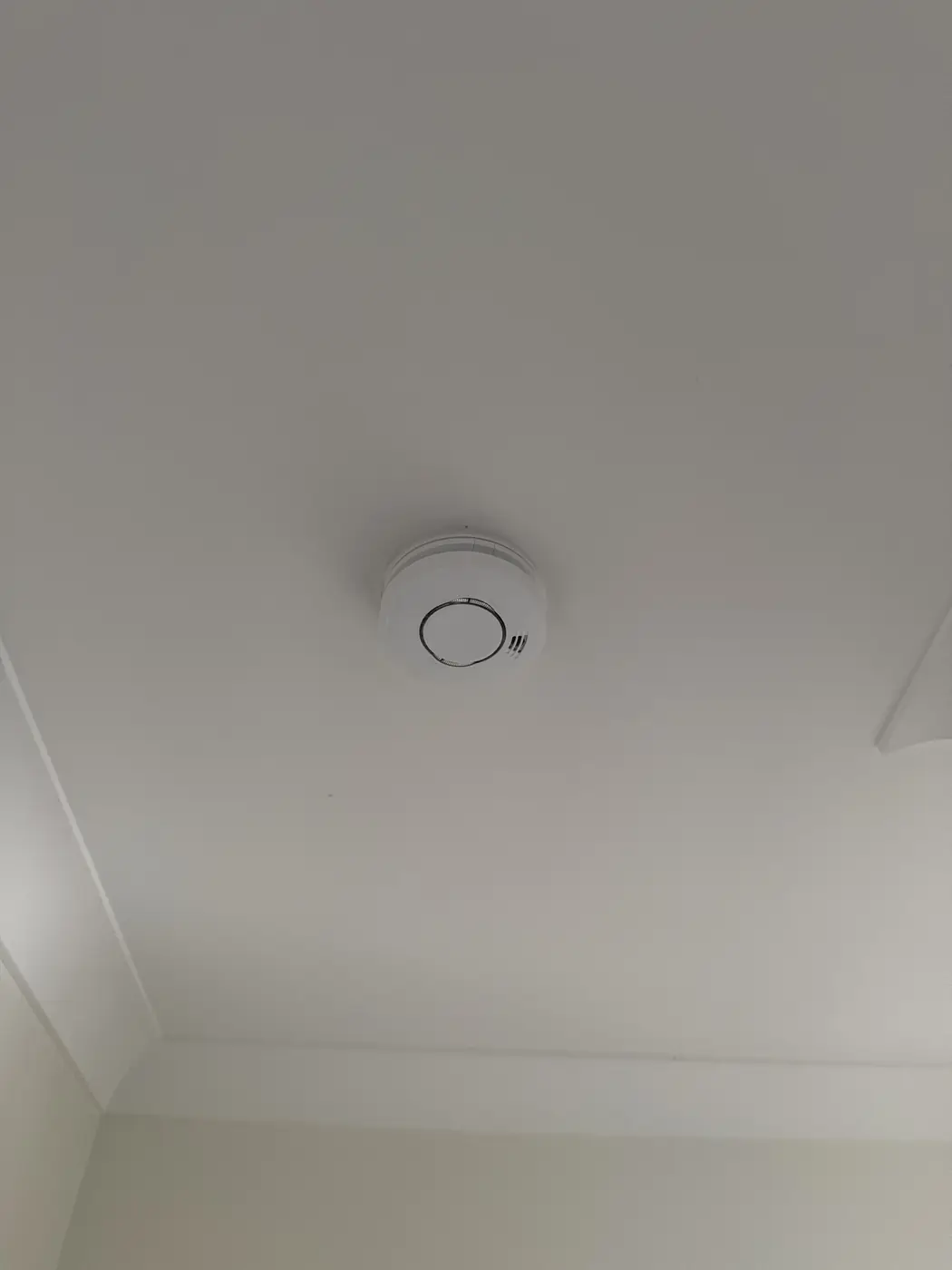
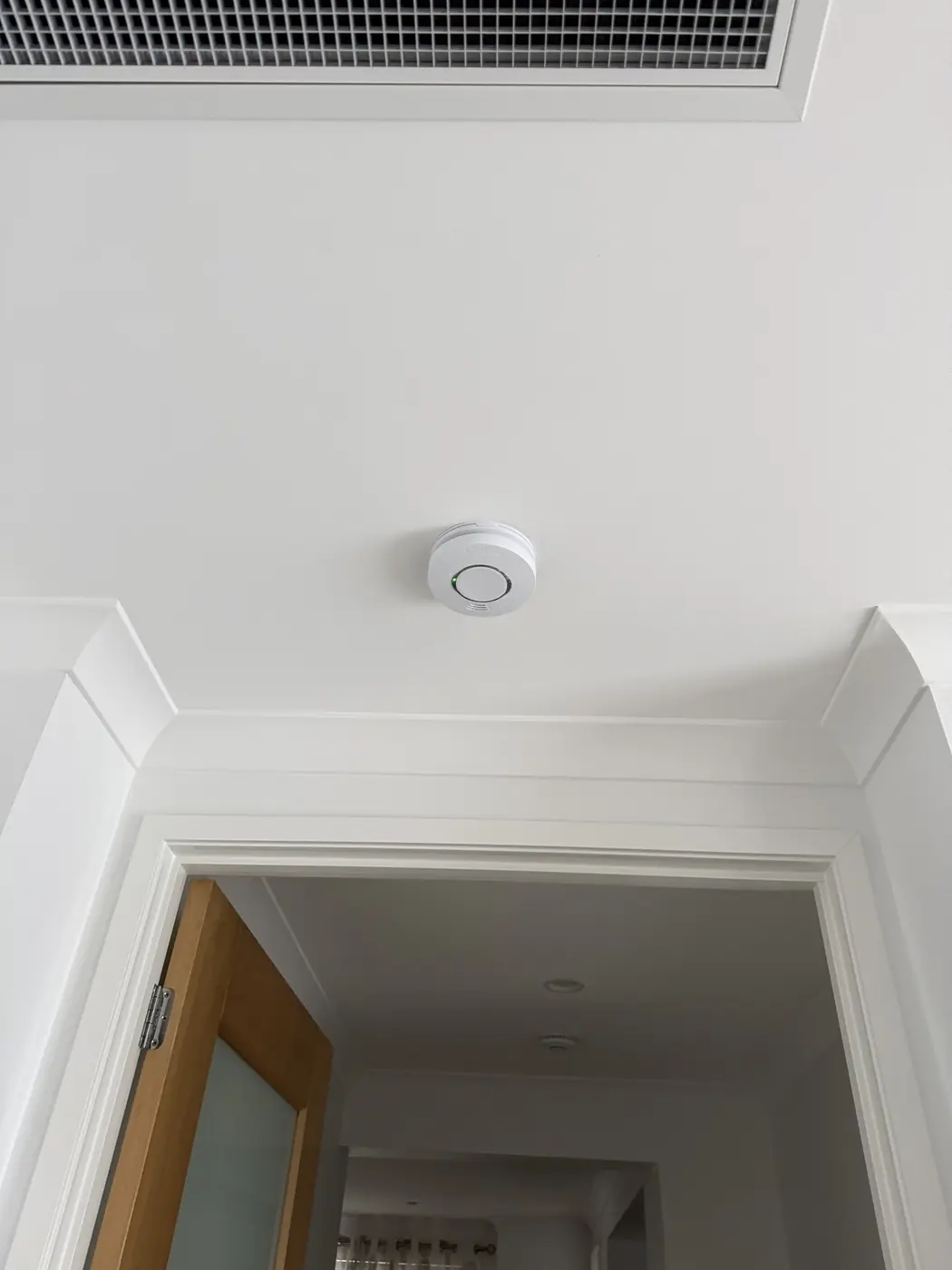
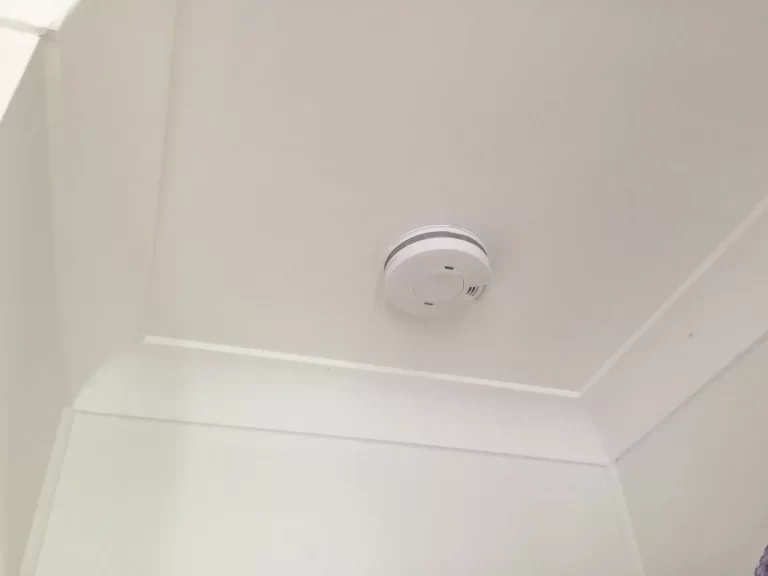
A photoelectric smoke alarm on a hallway ceiling in Carindale. It is one of 10 alarms we fitted and interconnected in that home.
“
Had these guys come round to sort some new lighting and power points. Super easy to deal with, showed up on time, no fuss, and cleaned up after. Proper quality job, would 100% get them back again.
★★★★★ Mark J., Google review
Licensed and insured
QLD electrical contractor licence 90386.
Price agreed first
You get the full price in the quote before we start.
Official rules, plain English
Every rule here is checked against Queensland Fire Department guidance.
The 2027 rules
What the Queensland smoke alarm laws require
The Queensland smoke alarm laws came in over ten years, in three stages. New and renovated homes came first in 2017, then homes being sold or leased from 2022. Finally, on 1 January 2027, the rules reach every other home in Queensland. By then, your alarms need to tick all six boxes below.
Photoelectric only
Every alarm must be photoelectric and meet Australian Standard 3786-2014, so check the label for “AS 3786-2014”. Older ionisation alarms don’t count, even if they still beep when tested.
Hardwired or 10-year battery
Each alarm is either hardwired to 240 volts or runs on a 10-year non-removable battery. However, if your home already has hardwired alarms, the replacements must be hardwired too.
All interconnected
Every alarm must be linked, so when one goes off, they all go off. That can be done with cable, with wireless modules, or with a mix of both.
One in every bedroom
There must be an alarm inside each bedroom, not just one in the hallway outside. As a result, most homes need more alarms than they have now.
Hallways and every storey
You also need alarms in hallways that connect bedrooms to the rest of the home, and on every storey. A level with no bedrooms still needs one, in the most likely path out of the house.
Older than 10 years? Replace it
Any alarm more than 10 years old, or one that fails when you press test, must be replaced. The new one must be a compliant photoelectric alarm.
Hardwired alarm chirping or going off?
Don’t pull a 240-volt alarm off the ceiling, because it runs on mains power. Use the hush button if it has one, then give us a call. If there’s any smoke or fire, get everyone out and call 000 first.
Costs, explained
What does it cost to meet the QLD smoke alarm laws?
Written and reviewed by MJ, licensed electrician at M-Tech, QLD electrical contractor licence 90386. Rules checked against the Queensland Fire Department smoke alarm FAQ, last updated 28 October 2026. Updated November 2026.
There’s no single price, because every home is different. The cost depends on how many bedrooms and storeys you have, what alarms are already up, and whether they’re hardwired. So we look at your layout first, then give you one fixed price before we start. Here’s what changes it.
1
Already hardwired
If your home already has 240-volt alarms, we swap them for hardwired photoelectric alarms with wireless interconnection, then add any missing bedroom alarms. It’s usually the quickest upgrade.
2
Battery alarms only
If you only have battery alarms, you can move to 10-year battery photoelectric alarms linked by radio. That means no new cabling and less time in the roof.
3
Two storeys or a big home
More bedrooms and levels mean more alarms. In that case, a mixed setup of hardwired and 10-year battery alarms, all linked by radio, keeps the job tidy.
Selling or leasing? The QLD smoke alarm laws already apply
According to the Queensland Fire Department, homes being sold, rented or re-rented already need interconnected photoelectric smoke alarms. So the 1 January 2027 stage mostly affects people living in their own homes. Not sure where your home stands? Send us a photo of one alarm and its label, and we’ll tell you.
Smoke alarm upgrades from our job records
These are real southside jobs, so you can see what a compliant setup looks like in practice. We keep the street and the customer private.
Compliant smoke alarm installs, in photos
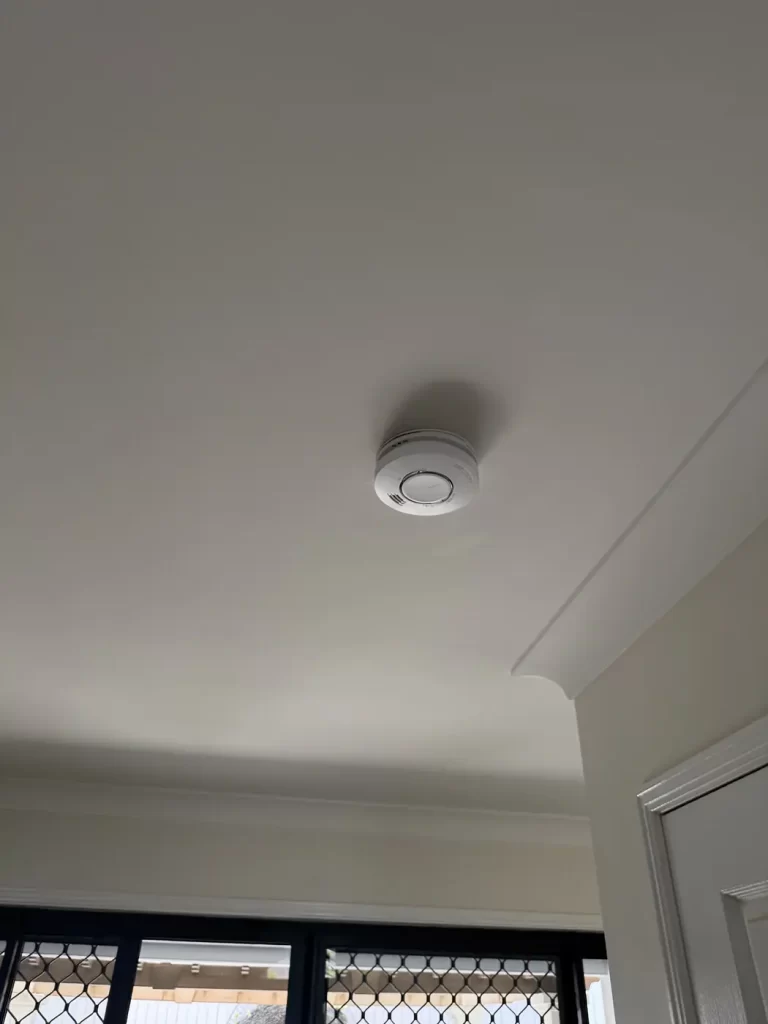
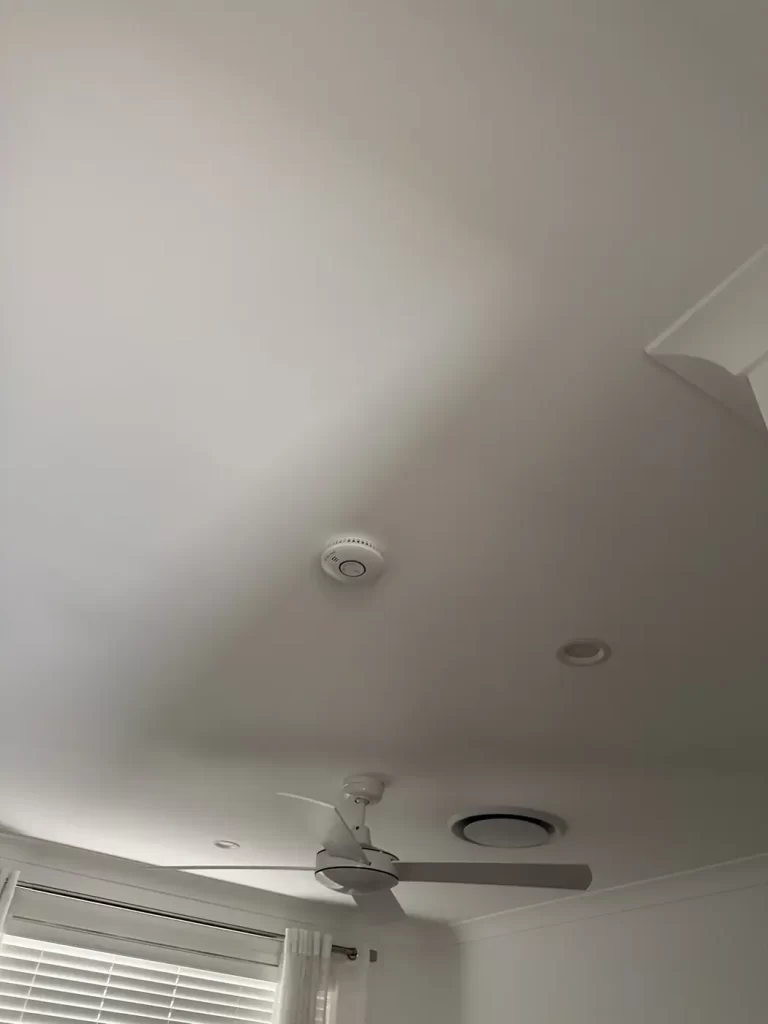
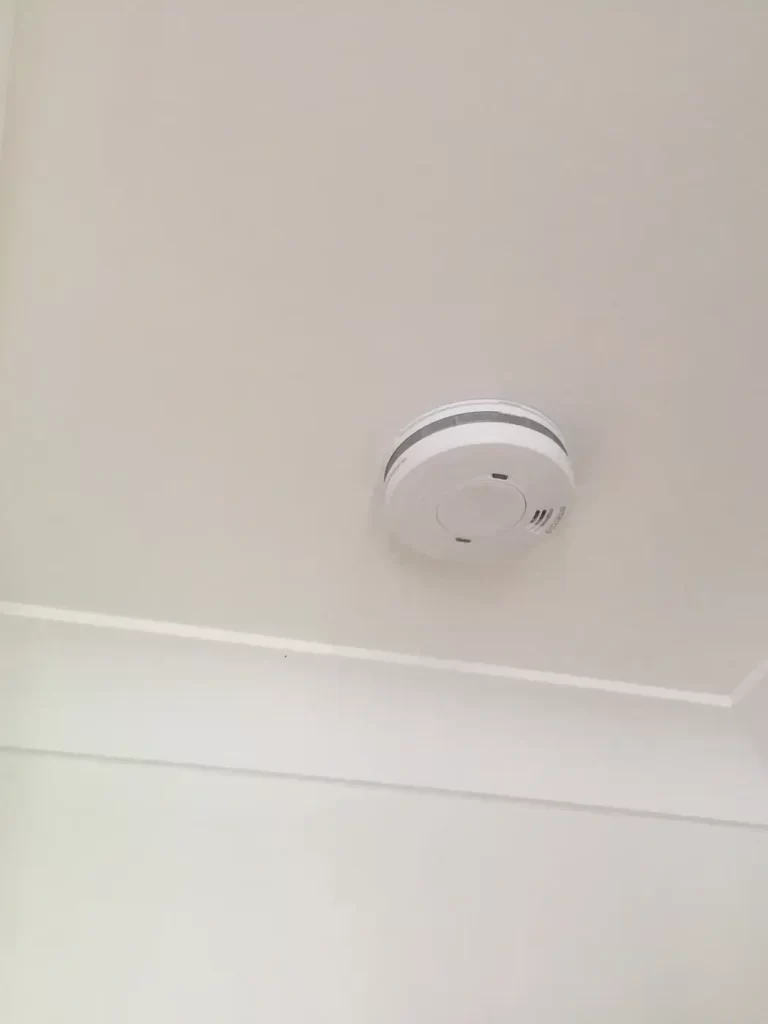
How it works
How a smoke alarm upgrade works
01
Tell us about your home
First, tell us how many bedrooms and storeys you have, and what alarms are up now. A photo of one alarm and its label also helps.
02
Get one fixed price
Next, we work out how many alarms you need and exactly where they go, then quote one price.
03
Install and interconnect
Then we fit each alarm in the right spot, clear of lights, corners and fans, and link them all together.
04
Test, then certificate
Finally, we test them so one sets off the rest, clean up, and send you a certificate for your records.
Placement
Where alarms must go under the Queensland smoke alarm laws
Placement is where a lot of DIY and rushed installs go wrong. These are the Queensland placement rules we follow on every smoke alarm job.
Bedrooms and hallways
Put one alarm in every bedroom, plus one in the hallway that connects the bedrooms to the rest of the house. If there’s no hallway, it goes between the bedrooms and the living areas.
Check for
- An alarm inside each bedroom
- A hallway alarm outside the bedrooms
- All of them linked together
Every storey
Each level of the home needs at least one alarm. On a storey with no bedrooms, it goes in the most likely path of travel to the exit.
Check for
- Downstairs living areas
- Levels with no bedrooms
- The path to the front or back door
Clearances on the ceiling
Alarms go on the ceiling, at least 300 mm from corners and light fittings, and 400 mm from anything that blows air, such as a vent or the edge of a ceiling fan blade.
Check for
- 300 mm from corners
- 300 mm from light fittings
- 400 mm from fan blades and vents
- Extra rules for sloped or beamed ceilings
Old and faulty alarms
Alarms older than 10 years, or that fail the test button, must be replaced. And hardwired alarms must be swapped for hardwired ones.
Check for
- The date on the back of each alarm
- Any ionisation alarms still up
- Alarms that don’t sound when tested
Good to know
Do owner-occupiers really have to comply by 2027?
Yes. Under the Queensland smoke alarm laws, the Queensland Fire Department states that all Queensland dwellings must have compliant smoke alarms installed by 1 January 2027. Homes that were sold or leased have needed them since 2022, so the final stage mostly affects owner-occupiers.
Can I install smoke alarms myself?
Yes, if they’re 10-year battery alarms, because those don’t need an electrician. Hardwired 240-volt alarms are different. They connect to mains power, so a licensed electrician has to install them.
Watch out for smoke alarm scams
The QFD warns about traders who sell non-compliant alarms, or who claim the QLD smoke alarm laws need more alarms than they really do. A compliant home needs alarms in the places above, and nothing extra. If your current alarms already pass, we’ll tell you straight.
At a glance
- Deadline: 1 January 2027 for all Queensland homes.
- Applies to: houses, townhouses, units and manufactured homes.
- Type: photoelectric, AS 3786-2014.
- Power: hardwired 240 V, or a 10-year non-removable battery.
- Linking: every alarm interconnected.
- Installer: a licensed electrician for hardwired alarms. Ours is QLD licence 90386.
Speed up your quote
- How many bedrooms and storeys you have
- Whether your alarms are hardwired or battery
- A photo of one alarm and its label
Related services
Often done on the same visit.
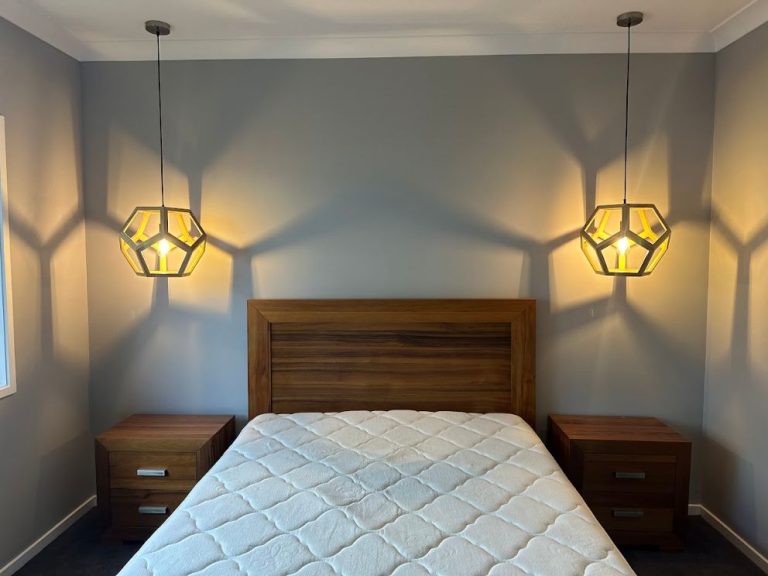
Lighting installation
New lights, switches and dimmers, fitted while we’re there.
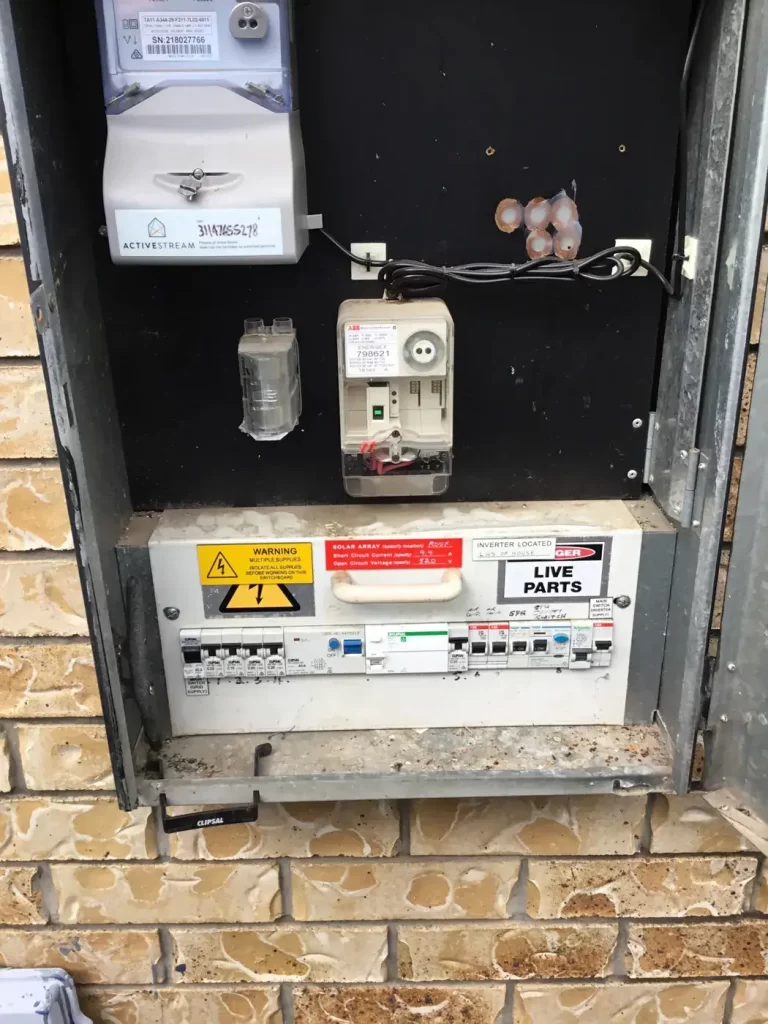
Safety switch installation
Safety switches on every circuit, then trip-time tested before we leave.
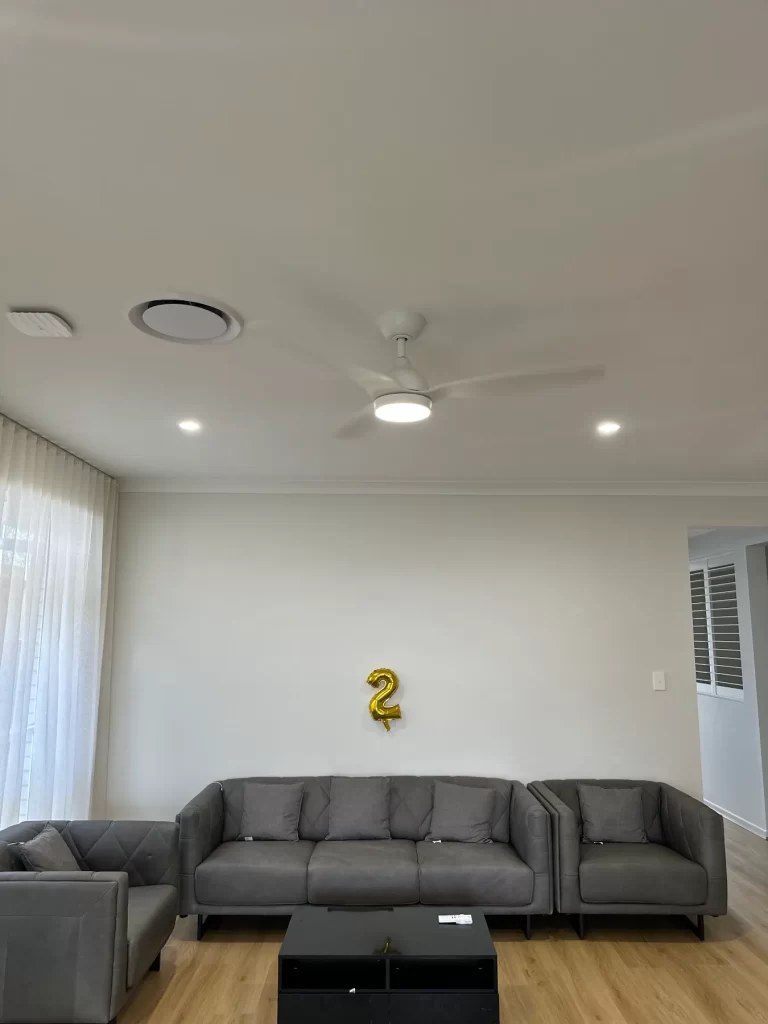
Downlight installation
LED downlights and bathroom fans, fitted while we’re already in the roof.
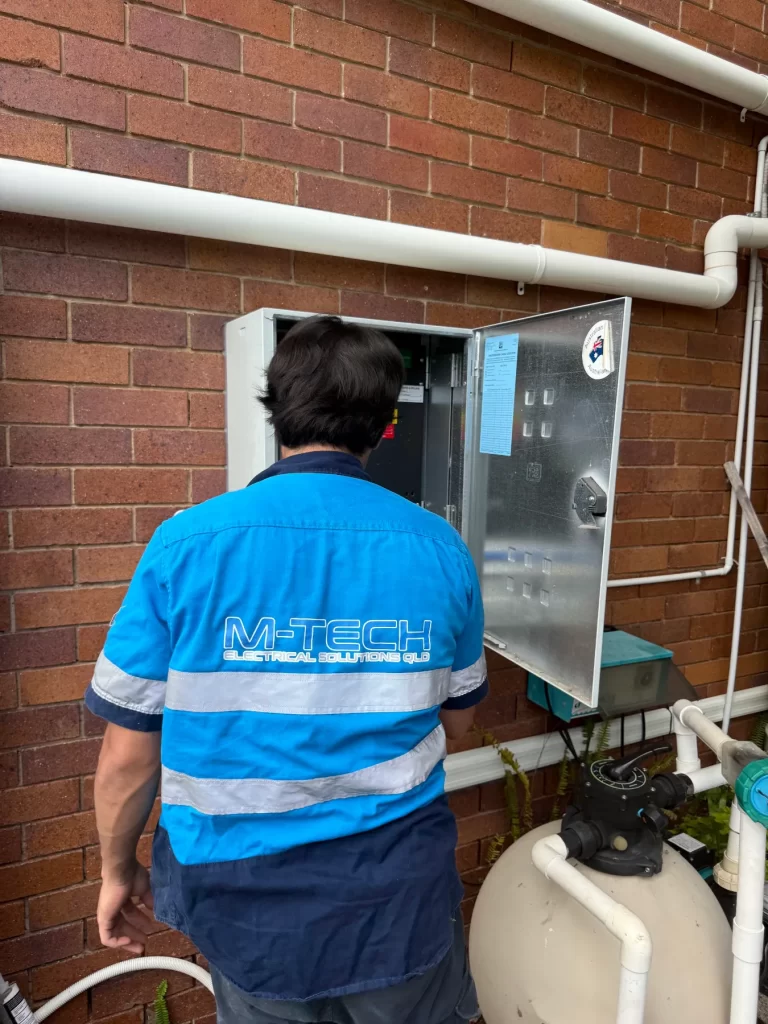
Switchboard upgrades
When the old board has no room left for new circuits, or still runs on ceramic fuses.
Smoke alarm service and install
Same visit, same electrician. Hardwired, interconnected smoke alarms, done while we’re there.
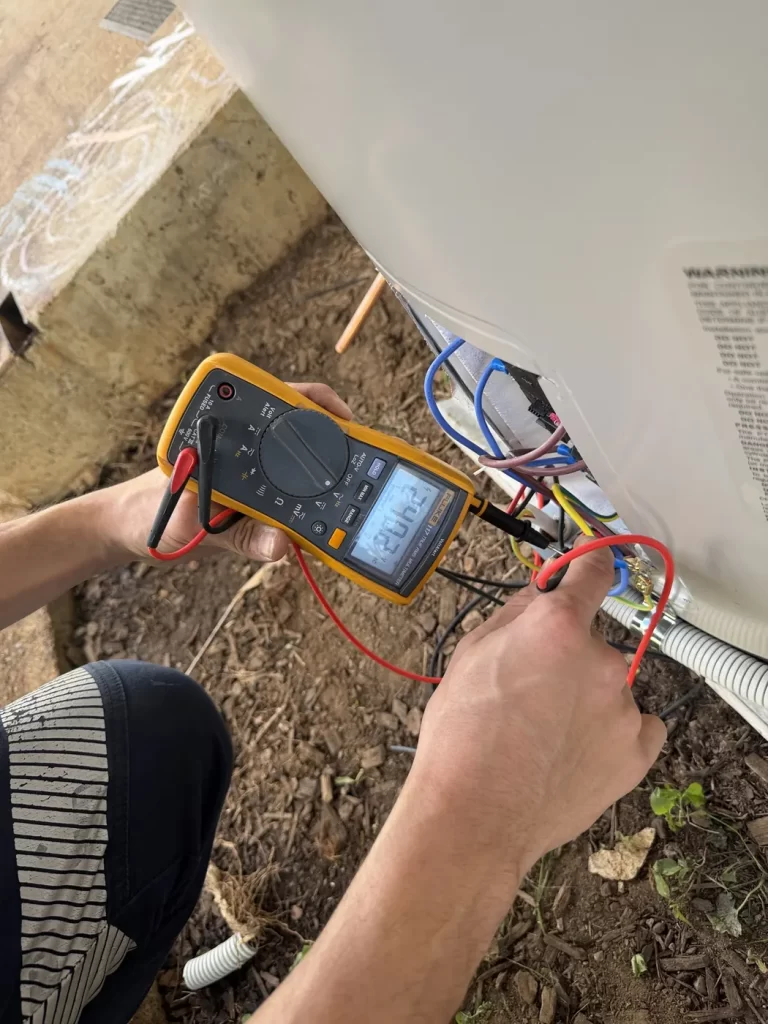
Electrical fault finding
Power point dead or sparking? We find the fault before anything is replaced.
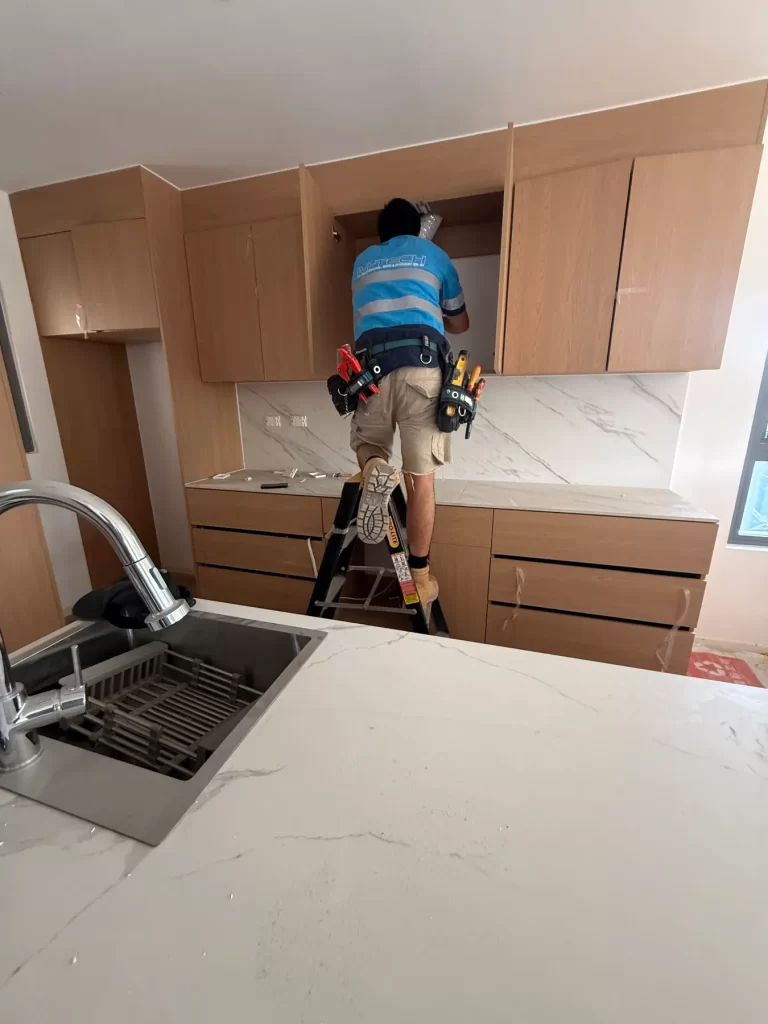
Renovation electrical
Kitchen or bathroom reno? We work to your builder’s rough-in and fit-off timing.
Residential electrician
One licensed team for every electrical job in your home, so you only make one call.

Why M-Tech
Why Brisbane homeowners book M-Tech.
We’re a small Brisbane team, so the electrician who turns up actually cares how the job ends. No call centre, no jargon, no upsell.
- Southside local. We install smoke alarms across Brisbane’s southside, from Carindale to Tarragindi.
- Price first. You approve one clear price before we start, with no add-ons on the day.
- Careful in older homes. We protect floors and furniture, then clean up before we go.
- Tested every time. We test every repair and install before we leave.
- Licensed and insured. We hold QLD electrical contractor licence 90386.
Google reviews
Rated 5.0 by 52 Brisbane customers
EXCELLENTTrustindex verifies that the original source of the review is Google. MJ and team were brilliant, very thorough, and provided great customer service.Posted onTrustindex verifies that the original source of the review is Google. Can’t recommend MJ Electric enough. They did a fantastic job installing sockets and new lights in my colonial cottage. An outstanding team, hard working and really committed to the job. Look forward to using them again and to being a repeat and happy customer.Posted onTrustindex verifies that the original source of the review is Google. Great professional service, on time and sorted all the issues needed. Fault finding tripping lights and other work. Even come back to assist in other work and good rates. ThanksPosted onTrustindex verifies that the original source of the review is Google. The team helped us out with a few things at our place in Cannon Hill. They are punctual and on time, keep things tidy and try to offer solutions that can save us money. I absolutely recommend working with this team. We looked around and they have reasonable price and great service.Posted onTrustindex verifies that the original source of the review is Google. Mj and team provide a service above and beyond what we expect. With the amount of electrician’s in Brisbane, it’s hard to know who will provide a great service, the quality of work we received, we couldn’t be more pleased with how the result turned out. They provided clear and accurate details of the job and how they were going to handle the work, provided us with updates throughout the day, were respectful, punctual and left the property cleaner than they arrived. Highly recommended!Posted onTrustindex verifies that the original source of the review is Google. Right from the outset, M-Tech Electrical were quick to respond and made it extremely easy to organise a convenient time for the work to be done with competitive pricing. The tradesmen arrived precisely when they said they would, were both courteous, performed a very high standard of work and left their worksite clean. I really couldn't recommend M-Tech enough, and will most definitely be storing their details for the next time I need some electrical work done. Thank you so much guys - very much appreciated!Posted onTrustindex verifies that the original source of the review is Google. Highly recommend MJ and his crew. The camera installation was completed professionally with great attention to detail. The cameras were positioned perfectly for maximum coverage, all cabling was neat and tidy, and the system was set up and explained clearly. The image quality is excellent, and everything works exactly as expected. Very happy with the service and would definitely recommend to anyone looking for a reliable security camera installation.Posted onTrustindex verifies that the original source of the review is Google. Amazing service. Very fast and efficient installation of our house camera system. Very happy with results!! Couldn’t recommend enough!
Where we work
Smoke alarm upgrades across Brisbane’s southside
We fit compliant smoke alarms in homes across Brisbane’s southside and inner east, including Mount Gravatt, Camp Hill, Carindale, Holland Park and Annerley. Further afield? See all our service areas, or just give us a call.
Inner east and riverside
Most days start in the inner east, around Norman Park, Bulimba and Cannon Hill.
Inner south
Coorparoo, Camp Hill and Carindale are regular stops between jobs, and so are Holland Park and Annerley.
South and south-east
We also head south through Mount Gravatt and Rochedale to Springwood.
Good to know
QLD smoke alarm laws: your questions answered
Something specific? Call 1800 549 545 and ask an electrician.
When do Queensland homes need compliant smoke alarms?
By 1 January 2027, every Queensland home must have compliant smoke alarms. Homes that are sold, rented or re-rented already need them now.
Do owner-occupied homes have to meet the QLD smoke alarm laws?
Yes. The 2027 stage is the one that covers owner-occupied homes. According to the QFD, all Queensland dwellings must have compliant alarms by 1 January 2027.
Can I keep my existing smoke alarms?
Only if they’re photoelectric (AS 3786-2014), under 10 years old, interconnected, and in the right places. Otherwise they need replacing, and hardwired alarms must be replaced with hardwired ones.
Do the QLD smoke alarm laws require interconnected alarms?
Yes. When one alarm sounds, they all have to sound. This can be done with cable, with wireless modules, or a combination of both. Our guide to wired vs wireless interconnected smoke alarms compares the options.
Can I still use battery smoke alarms under the Queensland smoke alarm laws?
Yes, if they’re photoelectric with a 10-year non-removable battery. However, if your home already has hardwired alarms, they must be replaced with hardwired ones. New builds and major renovations also need hardwired alarms.
Where do smoke alarms need to go?
On each storey: in every bedroom, and in hallways that connect bedrooms to the rest of the home. If there’s no hallway, they go between the bedrooms and other parts of the storey. A storey with no bedrooms needs one in the most likely path out.
How far must a smoke alarm be from a light or fan?
On the ceiling, alarms must be at least 300 mm from corners and lights, and 400 mm from anything that blows air, such as the edge of a ceiling fan blade.
Who can install hardwired smoke alarms?
Only a licensed electrician, because 240-volt alarms connect to mains power. M-Tech holds QLD electrical contractor licence 90386.
Do I need a smoke alarm compliance certificate?
The QFD says a certificate of compliance isn’t a legal requirement, although some agents ask for one. Either way, we send you a certificate after every install for your records.
Why is my hardwired smoke alarm beeping?
A single chirp every minute or so usually means the backup battery is low, or the alarm has reached the end of its life. Dust, power fluctuations, or an alarm wired onto a dimmer circuit can also cause false alarms. On a 240-volt alarm, don’t pull it down. Hush it, then call us, and if it’s due for replacement we’ll fit a compliant one. More causes and safe checks are in our smoke alarm beeping guide.
Book your upgrade
Get your home compliant before 1 January 2027.
Leave a few quick details, and we’ll call to talk it through and book a time. A photo of one of your alarms also helps. Monday to Friday.
Or email admin@mtechelectricalqld.com.au
What happens next
- We call you back, usually the same working day
- Then we confirm what’s needed and book a time
- You approve the price before we start
“Excellent service from M-Tech Electrical Solutions! MJ attended and quickly diagnosed the issue with our safety switch.” ★★★★★ Michael B., Google review
Get a free quote
Four fields, under a minute. Prefer to talk? Give us a call.
This doesn’t lock in a booking. We’ll call to confirm a time first.
5.0★★★★★ from 52 Google reviews
Licensed and insured, QLD electrical contractor licence 90386