
Old wiring guide · Updated November 2026
Old house wiring in Brisbane. How to spot it, and when to get it checked.
Old house wiring in Brisbane usually shows up in two places: a switchboard with ceramic fuses, and old rubber or cloth-covered cable in the roof or walls. Neither means the house is unsafe, but both need a licensed electrician to test them. Here are the signs to look for, and when to book a safety check.
Quick facts
- Ceramic fuses in the switchboard are the most common sign of old wiring.
- Rubber covered (VIR) cable was mostly installed before the 1960s and goes brittle with age.
- Warning signs: fuses that blow, warm switches, a burning smell, flickering lights.
- Two pin power points usually mean no earth on that circuit.
- A switchboard check and insulation test show how much needs replacing.
5.0★★★★★from 56 Google reviews
- Licensed, QLD licence 90386
- Older homes tested across the southside
- Price agreed before we start
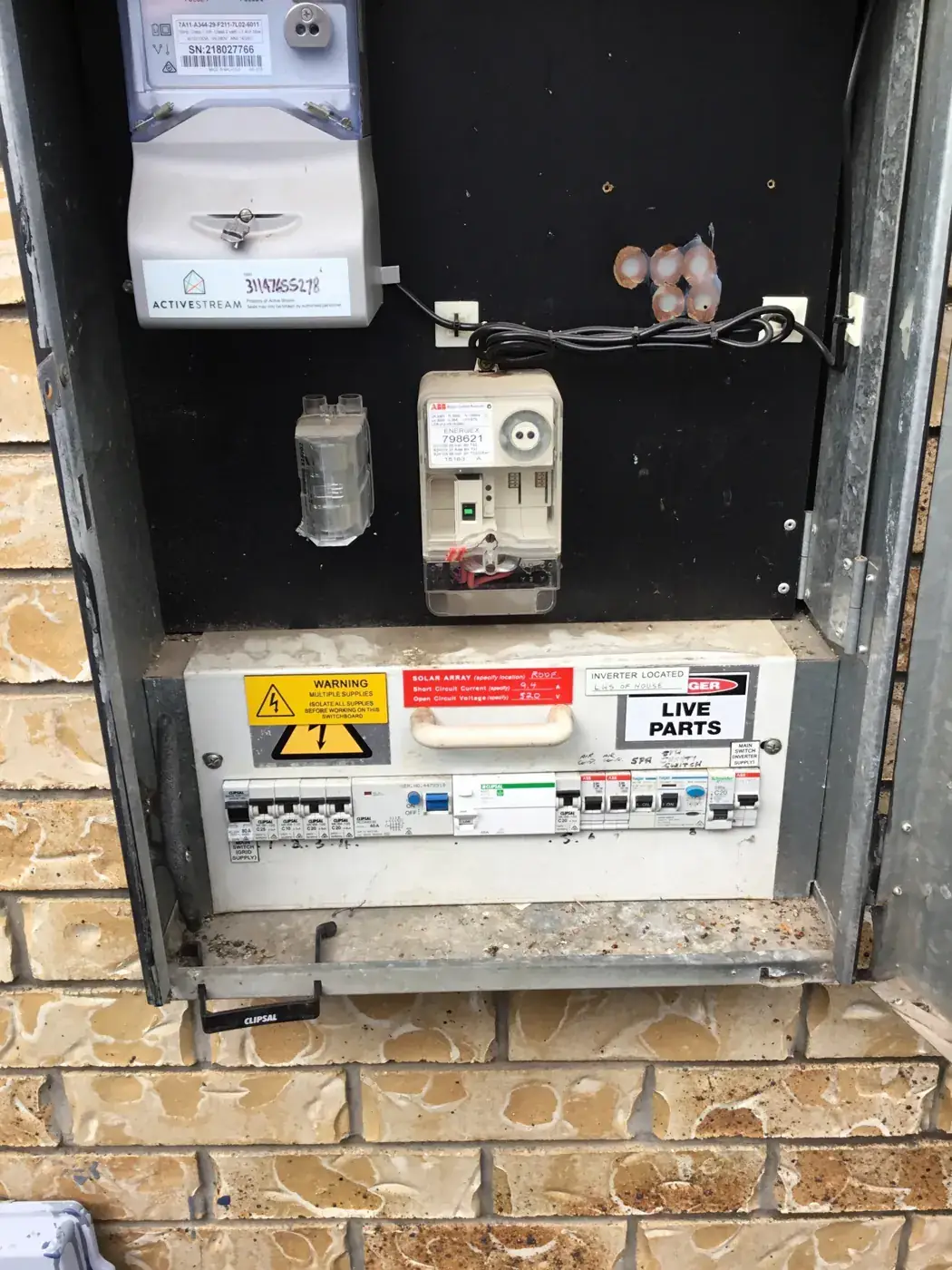
Acacia Ridge: a faulty RCBO found and replaced, then every circuit checked.
“
Had these guys come round to sort some new lighting and power points. Super easy to deal with, showed up on time, no fuss, and cleaned up after. Proper quality job, would 100% get them back again.
★★★★★ Mark J., Google review
Licensed and insured
QLD electrical contractor licence 90386.
Price agreed first
You get the full price in the quote before we start.
Test first, then fix
We find the real cause before anything gets replaced.
Signs to look for
What are the signs of old house wiring?
Old house wiring in Brisbane usually gives itself away if you know where to look. Start at the switchboard, then the power points and switches, and the roof space if you can get up there safely. One sign is worth a test. A few together usually means it’s time to talk about a switchboard upgrade.
Ceramic fuses on the board
Ceramic or porcelain fuse holders with fuse wire, or old cartridge fuses. If you open the board door and see these, the board is old.
No safety switches, or only one
Look for switches with a test button. Plenty of older boards have none, so a fault on a circuit has nothing to cut the power fast.
Cloth or rubber-looking cable
Black or grey cable, sometimes wrapped in cloth, that’s cracked or crumbling at the ends. You’ll often spot it in the roof or behind an old switch.
Two-pin points and adaptors everywhere
Two-pin power points, very few power points for the size of the house, and double adaptors or power boards in most rooms.
Warm switches, buzzing or scorch marks
A switch or power point that’s warm, buzzing or marked brown or black, or a burning smell you can’t place. Leave it off and call us.
Fuses that keep blowing
Fuses that blow again and again, a board nobody has touched in decades, and no electrical paperwork for the house.
Burning smell, sparks or a hot power point?
Leave the circuit off and call us. If there is smoke or fire, get out and call 000.
Ceramic fuses and VIR
What is ceramic fuse wiring?
Written by MJ, licensed electrician at M-Tech, QLD electrical contractor licence 90386. Updated November 2026.
Old switchboards use ceramic holders with fuse wire or cartridge fuses. They give no safety switch cover, and the fuse wire can be fitted at the wrong rating, so the circuit isn’t protected the way it should be. Ceramic fuse boards are still common in Brisbane homes built before the 1980s, and they struggle with a modern household’s load.
A modern board has circuit breakers and safety switch protection on every circuit. If yours still runs on ceramic fuses, a switchboard upgrade is the usual fix. Not sure if yours is due? Read the signs you need a switchboard upgrade. In our job stats, switchboards were 28 of our 87 jobs from 16 Nov 2025 to 15 Nov 2026.
What is old rubber or VIR wiring?
VIR is vulcanised India rubber. It was used in older homes, often wrapped in cloth. Over the years the rubber dries out and cracks, and it can leave bare conductors in the roof or walls.
- How we test it: with an insulation resistance tester, circuit by circuit.
- If it fails: those circuits get replaced.
- If it passes: it can stay where it is.
- Please don’t touch it: don’t strip it back or move it yourself.
With the walls open, a reno is a good time to test it. See renovation and rewiring. For general home electrical safety advice, the Electrical Safety Office is the official source.
How we check it
What do we test in an older home?
01
Insulation resistance
We test the insulation on each circuit. It shows whether old cable is still holding up or breaking down.
02
Safety switch trip time
If you have safety switches, we check they trip fast enough. If you don’t, we tell you what’s missing.
03
Earth and the board
We check earth continuity at the points we can reach, and the condition of the board itself.
04
Points, switches, then a list
We check power points and switches, then list what we found and what needs fixing. Nothing starts without your OK.
When to book
Old house wiring: when should I get a safety check?
You don’t have to wait for something to go wrong. A check makes sense before you buy an older house (see our pre-purchase electrical inspection), before a reno, or as soon as you notice any sign above. If something has already gone wrong, our electrical fault finding page explains how we track it down. No safety switches on the board? Start with safety switch testing.
Book a check
Any of these is a good reason to have a licensed electrician test it.
Good times to check
- Before you buy an old house
- Before a renovation
- Fuses keep blowing or lights flicker
- There are no safety switches
- The board has never been looked at
Renovating a Queenslander? See what to plan before the builder starts.
Leave it alone
Some older boards have asbestos backing. Don’t drill, cut or sand a board yourself, and don’t pull at old cable in the roof. Our DIY electrical work guide explains what you can and can’t do yourself in Queensland.
Call us if
- You can smell burning
- A switch or power point is warm or marked
- A fuse blows again straight away
- You find crumbling cable
Related services
Often done on the same visit.
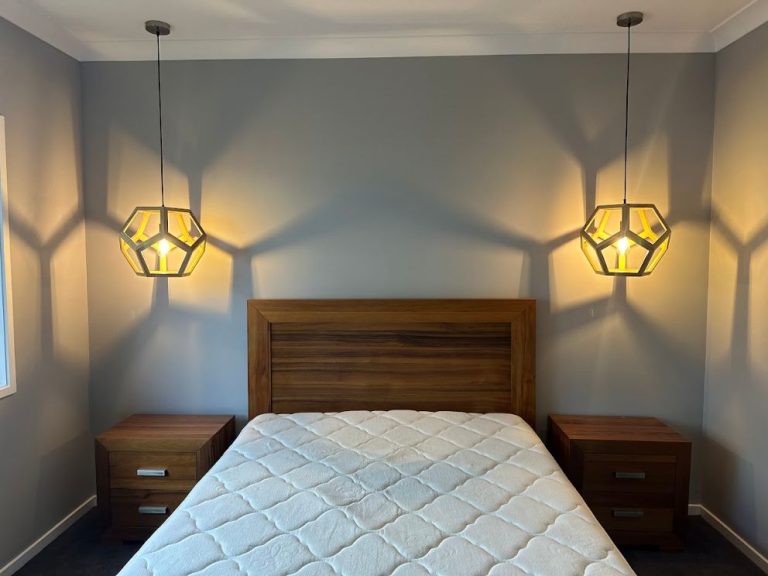
Lighting installation
New lights, switches and dimmers, fitted while we’re there.
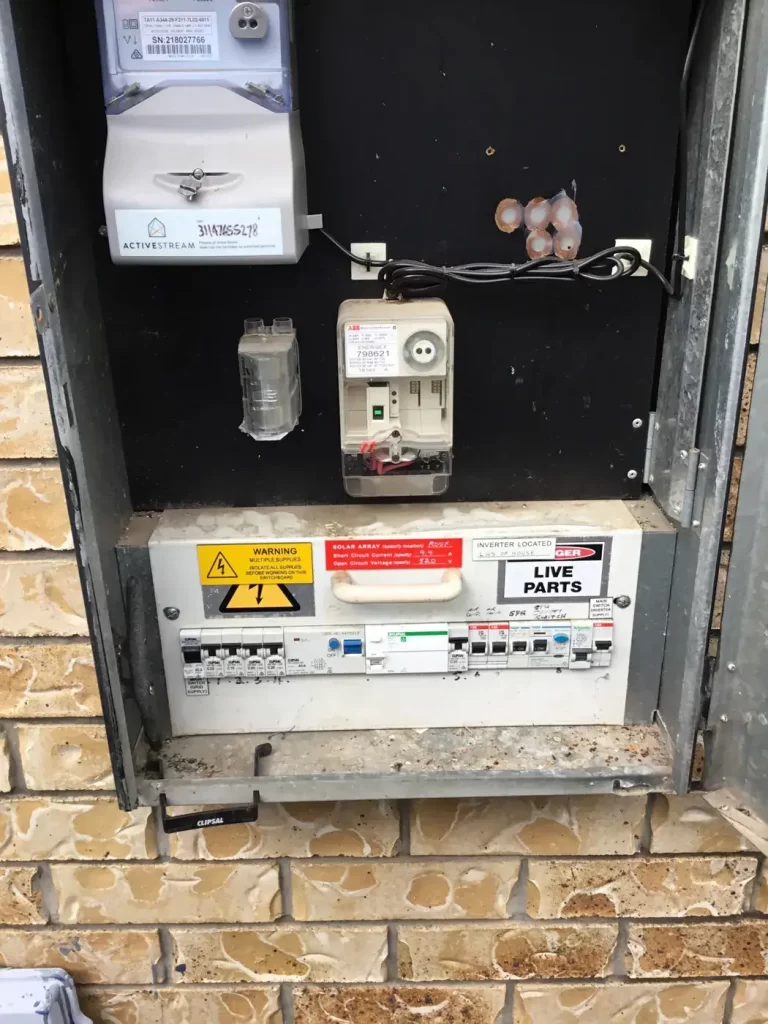
Safety switch installation
Safety switches on every circuit, then trip-time tested before we leave.
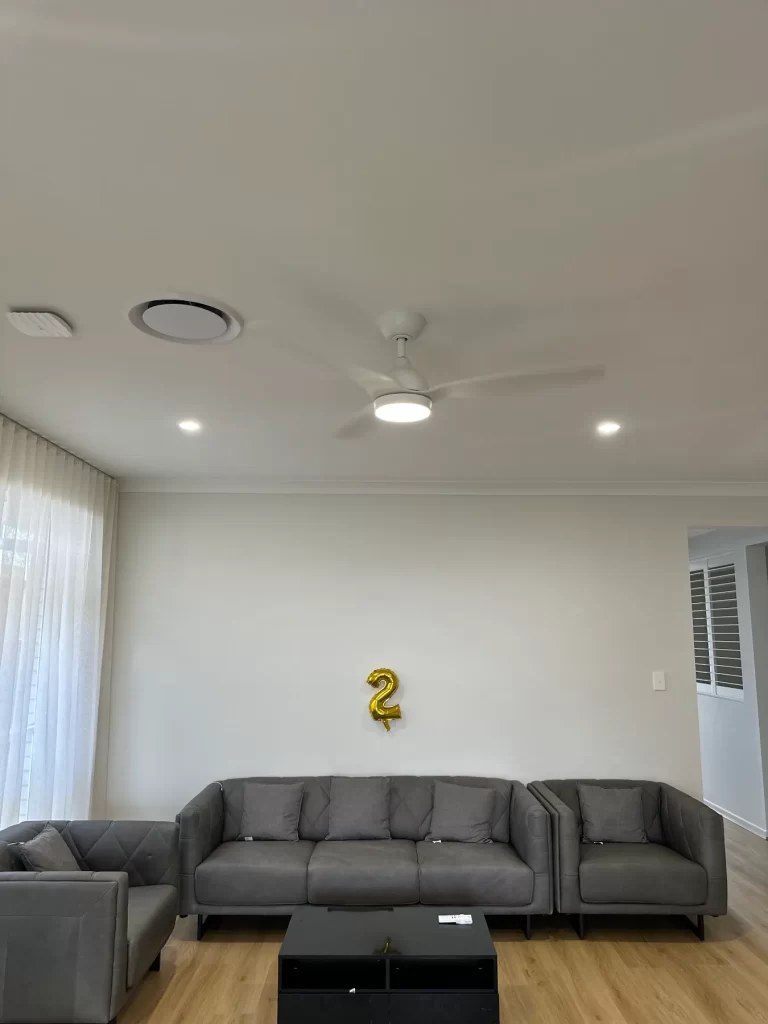
Downlight installation
LED downlights and bathroom fans, fitted while we’re already in the roof.
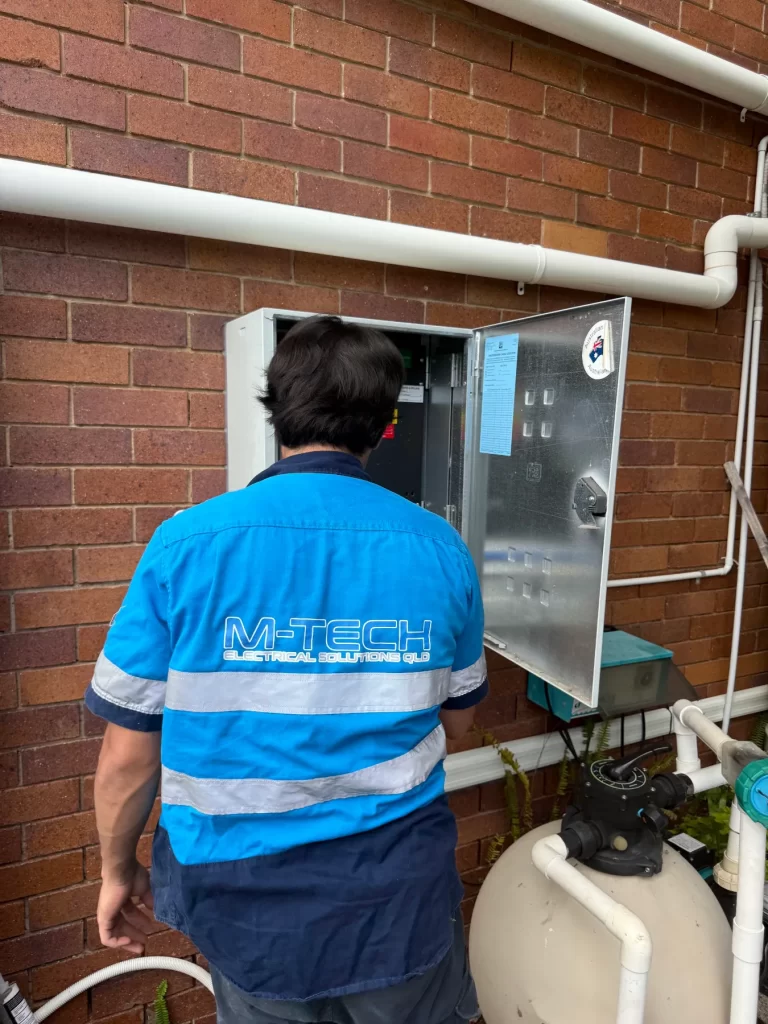
Switchboard upgrades
When the old board has no room left for new circuits, or still runs on ceramic fuses.
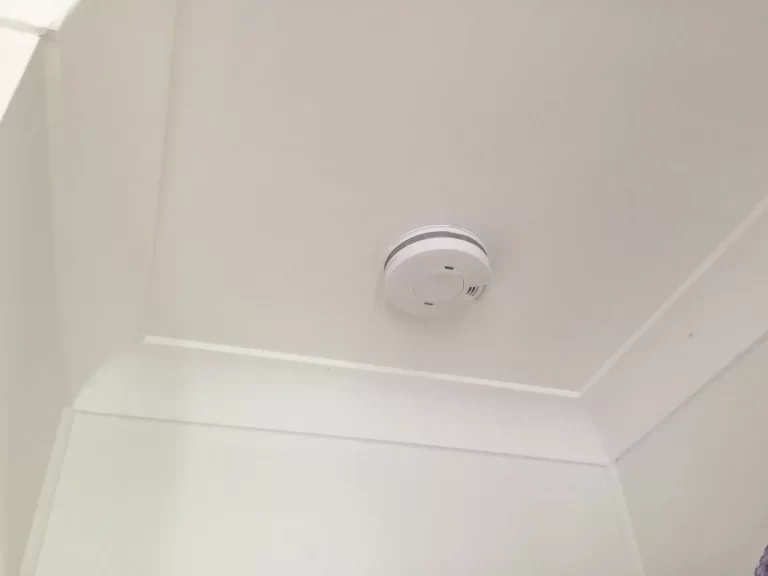
Smoke alarm service and install
Same visit, same electrician. Hardwired, interconnected smoke alarms, done while we’re there.
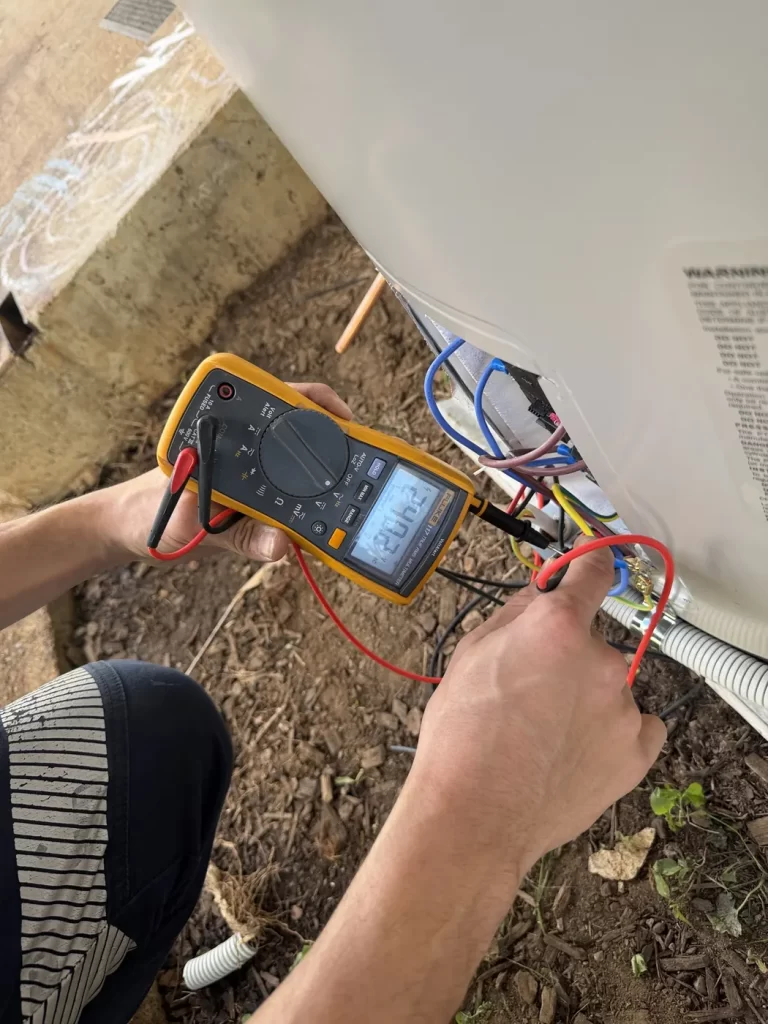
Electrical fault finding
Power point dead or sparking? We find the fault before anything is replaced.
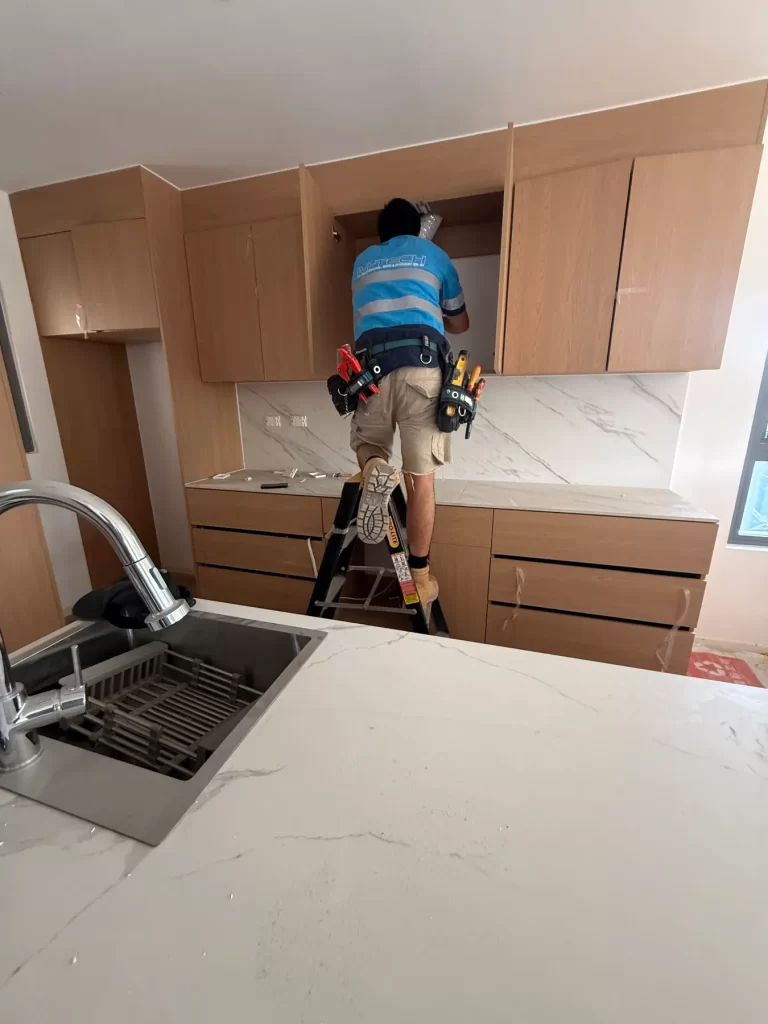
Renovation electrical
Kitchen or bathroom reno? We work to your builder’s rough-in and fit-off timing.
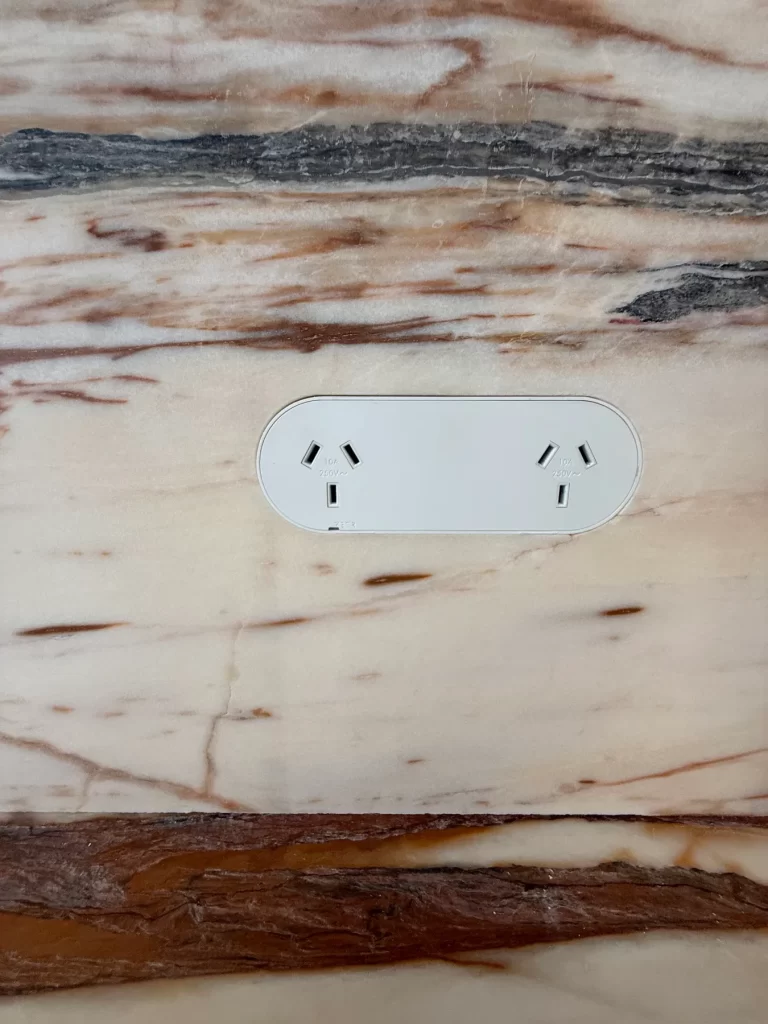
Residential electrician
One licensed team for every electrical job in your home, so you only make one call.
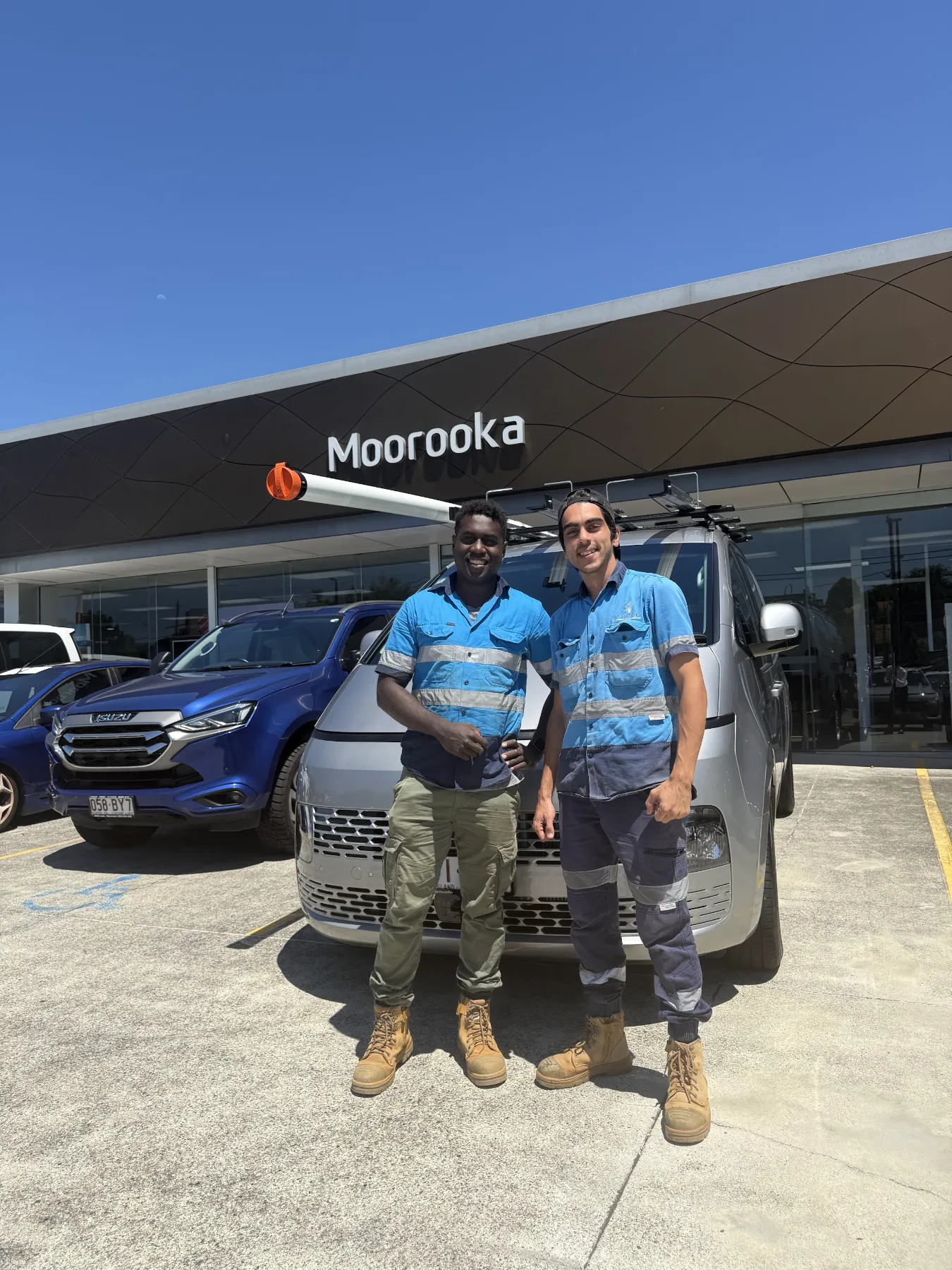
Why M-Tech
Why Brisbane homeowners book M-Tech.
We’re a small Brisbane team, so the electrician who turns up actually cares how the job ends. No call centre, no jargon, no upsell.
- Southside local. We test older homes across Brisbane’s southside, from Coorparoo to Slacks Creek.
- Price first. You approve one clear price before we start, with no add-ons on the day.
- Careful in older homes. We protect floors and furniture, then clean up before we go.
- Tested every time. We test every repair and install before we leave.
- Licensed and insured. We hold QLD electrical contractor licence 90386.
Google reviews
Rated 5.0 by 56 Brisbane customers
EXCELLENTTrustindex verifies that the original source of the review is Google. MJ and the team come highly recommended, on time, neat and polite. All electrical needs carried out to high standards with our lighting upgrades, lights and custom fittings required were high standard. We had Andrew and Sergey attend after MJ quoted our needs, the technicians did an awesome job by meeting our requirements and in a timely manor, all work was tested prior to completion and waste was removed and area left clean. I will be continuing to use the team at M-Tech for all of the future electrical requirements. A great local asset in the Norman Park area and surrounding suburbs. Much appreciated M-TechPosted onTrustindex verifies that the original source of the review is Google. ⭐⭐⭐⭐⭐ 5 Stars – Outstanding Service from M-Tech! A huge thank you to Andrew and Sergey from M-Tech for their excellent work at my home today! We experienced a power outage, and finding the cause was quite a challenge. They carefully disconnected the solar battery system and systematically tested each power point and junction connection, one by one, to isolate the fault. After nearly three hours of troubleshooting, they finally solved the puzzle! The issue was caused by water entering the outdoor isolator box of one of our split-system air conditioners, resulting in a short circuit. They managed to fix the issue, restore the power, and get the solar battery system working perfectly again. What impressed me most was their patience, professionalism, attention to detail, and determination to find the problem rather than give up. This is my third time using M-Tech, and once again, they have delivered fantastic service. Andrew and Sergey are extremely friendly, approachable, and a pleasure to work with. Great job, M-Tech team! Highly recommended to anyone looking for reliable, knowledgeable, and professional electricians! 👏👏👏Posted onTrustindex verifies that the original source of the review is Google. Highly recommended. Wired up my entire house in Fairfield and did an amazing job. Great team that went beyond my expectations. I couldn’t recommend these guys enough!Posted onTrustindex verifies that the original source of the review is Google. The guys were very diligent with their work. They installed a custom back lit logo for me and a ceiling speaker system. They Cleaned as they went, the work was immaculate and very professional. Thanks again for a great job. Couldn’t be happier. Thank you.Posted onTrustindex verifies that the original source of the review is Google. MJ and team were brilliant, very thorough, and provided great customer service.Posted onTrustindex verifies that the original source of the review is Google. Can’t recommend MJ Electric enough. They did a fantastic job installing sockets and new lights in my colonial cottage. An outstanding team, hard working and really committed to the job. Look forward to using them again and to being a repeat and happy customer.Posted onTrustindex verifies that the original source of the review is Google. Great professional service, on time and sorted all the issues needed. Fault finding tripping lights and other work. Even come back to assist in other work and good rates. ThanksPosted onTrustindex verifies that the original source of the review is Google. The team helped us out with a few things at our place in Cannon Hill. They are punctual and on time, keep things tidy and try to offer solutions that can save us money. I absolutely recommend working with this team. We looked around and they have reasonable price and great service.Posted onTrustindex verifies that the original source of the review is Google. Mj and team provide a service above and beyond what we expect. With the amount of electrician’s in Brisbane, it’s hard to know who will provide a great service, the quality of work we received, we couldn’t be more pleased with how the result turned out. They provided clear and accurate details of the job and how they were going to handle the work, provided us with updates throughout the day, were respectful, punctual and left the property cleaner than they arrived. Highly recommended!Posted onTrustindex verifies that the original source of the review is Google. Right from the outset, M-Tech Electrical were quick to respond and made it extremely easy to organise a convenient time for the work to be done with competitive pricing. The tradesmen arrived precisely when they said they would, were both courteous, performed a very high standard of work and left their worksite clean. I really couldn't recommend M-Tech enough, and will most definitely be storing their details for the next time I need some electrical work done. Thank you so much guys - very much appreciated!
Where we work
Old wiring in Queenslanders and post-war homes on the southside
A lot of the old wiring we find is in Queenslanders and post-war homes. We see it most around Norman Park, Camp Hill, Holland Park, Annerley and Coorparoo, where plenty of houses have been added to over the years. One room runs on newer cable and the next is still on the original. We test what’s there before anyone talks about rewiring. Need someone close by? We’re the local electrician in Norman Park, electrician in Camp Hill, electrician in Holland Park and electrician in Annerley.
M-Tech Electrical Solutions QLD is a licensed Brisbane electrician based in Norman Park 4170, serving Brisbane’s southside and inner east, including Coorparoo, Camp Hill, Carina, Morningside and Bulimba, and travelling across South East Queensland when a job needs it. Hours are Monday to Friday, 7am to 5pm. Something urgent? See our emergency electrician page, or check all our service areas.
Inner east and riverside
Most days start in the inner east, around Norman Park, Bulimba and Cannon Hill.
Inner south
Coorparoo, Camp Hill and Carindale are regular stops between jobs, and so are Holland Park and Annerley.
South and south-east
We also head south through Mount Gravatt and Rochedale to Springwood.
How do I know if my house has old wiring?
Look at the switchboard first. Ceramic or porcelain fuse holders with fuse wire are a clear sign. In the roof or at a switch, cloth-covered or crumbling rubber-looking cable points to older wiring. Two-pin power points and no safety switches also suggest an older install. A licensed electrician can test it properly.
What is VIR wiring?
VIR stands for vulcanised India rubber. It is an old type of cable insulation used in older Australian homes. Over decades the rubber dries out, cracks and crumbles, which can leave bare conductors. It often looks black or grey, sometimes wrapped in cloth. If you find it, leave it alone and get it tested.
Are ceramic fuses illegal?
We do not give legal opinions, so we stick to safety. Ceramic fuses give no safety switch protection, and the fuse wire can be fitted at the wrong rating. Many Brisbane homes built before the 1980s still have them. If yours does, a switchboard upgrade is the usual fix.
Do I have to rewire the whole house?
Usually not. A switchboard upgrade replaces the board and its protection, not the cables in your walls and roof. We test every circuit. If the existing wiring tests well, it stays. Circuits that fail insulation testing get replaced, and we show you the results before we quote.
Is old wiring a fire risk?
It can be, but not every old house is unsafe. Dry, cracked insulation, overloaded circuits and wrong-sized fuse wire all raise the risk, and the only way to know is to test it. If you smell burning or see scorch marks, switch off at the main if it is safe, and call us.
When should I get old wiring checked?
Get it checked before you buy an old house, before a renovation, if fuses keep blowing, if lights flicker, or if the board has never been looked at. Also check it if the house has no safety switch. We test what can be tested and tell you what we find.
How much does a wiring check cost?
We give a free quote for any work, and we do not guess a price over the phone. It depends on the house and what we find. We look first, then give you one fixed quote. Nothing starts until you approve it. If it is a fault, our fault finding page explains how that works.
Free advice
Worried about old wiring? Tell us what you’ve found.
Leave a few quick details and we’ll call to talk it through and book a time. A photo of your switchboard with the door open also helps. Monday to Friday.
Or email admin@mtechelectricalqld.com.au
What happens next
- We call you back, usually the same working day
- Then we confirm what’s needed and book a time
- You approve the price before we start
“Excellent service from M-Tech Electrical Solutions! MJ attended and quickly diagnosed the issue with our safety switch.” ★★★★★ Michael B., Google review
This doesn’t lock in a booking. We’ll call to confirm a time first.
5.0★★★★★ from 56 Google reviews
Licensed and insured, QLD electrical contractor licence 90386